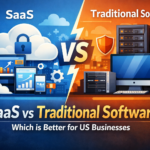
In today’s digital-first business environment, the term SaaS, or Software as a Service, has become a cornerstone of modern technology adoption. SaaS represents a significant shift from traditional software delivery models to a cloud-based, subscription-driven approach that offers scalability, flexibility, and cost-effectiveness. This article explores what SaaS is, how it functions, and its role and growth within the United States market.
Understanding SaaS
SaaS is a software distribution model in which applications are hosted by a service provider or vendor and made available to customers over the internet. Unlike traditional software, which requires installation on local machines or servers, SaaS eliminates the need for physical infrastructure, enabling users to access software from anywhere with an internet connection.
Some common examples of SaaS include customer relationship management (CRM) tools like Salesforce, productivity suites like Microsoft 365, and marketing automation platforms like HubSpot. These applications demonstrate the core principle of SaaS: accessibility, subscription-based usage, and ongoing vendor management.
Key Features of SaaS
- Cloud Hosting: SaaS applications are hosted in the cloud, which means the vendor manages servers, storage, and updates. Users simply access the software through a web browser or application interface.
- Subscription Pricing: Most SaaS products operate on a subscription model, charging monthly or annual fees. This model reduces upfront costs for businesses and provides predictable revenue streams for vendors.
- Automatic Updates and Maintenance: SaaS providers handle all software maintenance, including updates, patches, and security improvements. This ensures users always have access to the latest features without manual installations.
- Scalability: SaaS platforms can scale easily to accommodate business growth. Companies can adjust user licenses, storage, or functionality as needed, providing flexibility unmatched by traditional software.
- Multi-Tenancy Architecture: Many SaaS solutions use a multi-tenant architecture, where multiple customers share the same software infrastructure while keeping their data separate and secure. This reduces costs and simplifies management.
How SaaS Works
The working of SaaS can be broken down into several key components:
1. Cloud Infrastructure
SaaS applications rely on cloud infrastructure, which includes servers, databases, and networking components hosted by cloud service providers such as Amazon Web Services (AWS), Microsoft Azure, or Google Cloud Platform (GCP). These platforms provide the foundation that allows SaaS vendors to deliver reliable, secure, and scalable services.
2. Web Access
Users access SaaS software via web browsers or mobile applications. This eliminates the need for local installation and allows employees to work from virtually any location. All user interactions, data input, and processing are handled in the cloud, with results displayed on the user interface.
3. Data Management and Security
Data is stored centrally in the vendor’s cloud environment, protected by robust security protocols. SaaS providers implement encryption, authentication, and compliance measures to safeguard sensitive information. For businesses operating in the United States, providers often comply with standards such as HIPAA for healthcare or SOC 2 for general data security.
4. Continuous Updates and Integration
SaaS vendors continuously improve their software by rolling out updates and patches without disrupting users. Additionally, SaaS platforms often integrate with other tools via APIs, creating a connected ecosystem that enhances productivity and reduces operational friction.
5. Billing and Subscription Management
Subscription billing is a fundamental aspect of SaaS operations. Customers can choose plans based on their needs, and payments are automated. This recurring revenue model provides financial stability for vendors while offering flexible cost structures for businesses.
Benefits of SaaS for US Businesses
The adoption of SaaS in the United States has been driven by several compelling advantages:
- Cost Efficiency: SaaS eliminates the need for on-premises hardware, reducing capital expenditure. Subscription models allow businesses to align costs with usage and scale services according to demand.
- Accessibility and Mobility: US companies increasingly rely on remote and hybrid workforces. SaaS enables employees to access applications from any location, ensuring business continuity and collaboration across time zones.
- Rapid Deployment: Traditional software installation can take weeks or months, but SaaS applications are ready to use almost immediately. This speed of deployment accelerates business processes and time-to-value.
- Enhanced Collaboration: SaaS tools often include real-time collaboration features, such as shared documents, cloud storage, and team communication modules, fostering productivity across distributed teams.
- Predictable Budgeting: Subscription fees and transparent pricing allow businesses to plan IT budgets more accurately, minimizing unexpected costs associated with software upgrades or maintenance.
- Regular Innovation: SaaS vendors continuously innovate, delivering new features and functionality without requiring users to manage upgrades. This ensures US businesses stay competitive in rapidly evolving markets.
SaaS Adoption in the US Market
The United States is a global leader in SaaS adoption, driven by a robust technology ecosystem, high internet penetration, and a strong emphasis on digital transformation. US businesses, ranging from startups to Fortune 500 companies, rely heavily on SaaS solutions to improve efficiency, reduce costs, and enhance customer engagement.
1. Market Growth
The US SaaS market has experienced consistent growth over the past decade. Companies are increasingly replacing legacy software with cloud-based solutions to support remote work, improve scalability, and streamline operations. The SaaS market is expected to continue growing as digital transformation accelerates across industries such as healthcare, finance, education, and retail.
2. Industry Adoption
- Healthcare: US healthcare providers use SaaS for electronic health records, patient management, and telemedicine solutions. SaaS helps maintain compliance with HIPAA and other regulatory standards.
- Finance: Financial institutions leverage SaaS for accounting, payroll, and risk management software. SaaS reduces the burden of IT infrastructure while providing real-time data insights.
- Education: Educational institutions implement SaaS for learning management systems, online courses, and virtual classrooms. The flexibility of SaaS supports hybrid and remote learning models.
- Retail: Retailers adopt SaaS for inventory management, e-commerce platforms, and customer analytics. The scalability of SaaS supports seasonal spikes in demand.
3. Startups and SMEs
US startups and small-to-medium enterprises (SMEs) are major beneficiaries of SaaS adoption. Limited budgets, small IT teams, and the need for rapid market entry make SaaS an ideal solution. Cloud-based software allows them to access enterprise-grade tools without heavy upfront investments.
4. Challenges in the US Market
Despite its advantages, SaaS adoption in the US faces challenges such as data privacy concerns, reliance on internet connectivity, and integration complexities with legacy systems. However, advancements in cybersecurity, high-speed internet, and standardized APIs have mitigated many of these challenges.
Future Trends of SaaS in the US
- AI and Automation: SaaS platforms are increasingly incorporating artificial intelligence and machine learning to provide predictive analytics, automated workflows, and enhanced user experiences.
- Vertical SaaS: Specialized SaaS solutions designed for specific industries, such as legal, healthcare, or manufacturing, are gaining traction. Vertical SaaS addresses unique industry needs better than generic platforms.
- Hybrid Cloud Solutions: Companies are adopting hybrid models combining on-premises infrastructure with SaaS to balance security, compliance, and flexibility.
- Enhanced Security and Compliance: As cyber threats grow, SaaS vendors are investing heavily in security protocols, ensuring compliance with US regulations like CCPA and HIPAA.
- Global Expansion: While the US remains a primary market, SaaS providers are expanding internationally, leveraging their cloud-based infrastructure to offer services worldwide.
Conclusion
SaaS has revolutionized the way businesses operate in the United States. Its cloud-based delivery, subscription model, and scalability have transformed software consumption, making advanced tools accessible to companies of all sizes. By eliminating traditional IT barriers, SaaS enables businesses to focus on growth, innovation, and customer experience.
As the US market continues to embrace digital transformation, SaaS adoption is poised to grow even further. With emerging technologies, increased security measures, and industry-specific solutions, SaaS will remain a critical driver of efficiency, flexibility, and competitiveness in the American business landscape.